
Callimachus: On Small Things
April 22, 2026
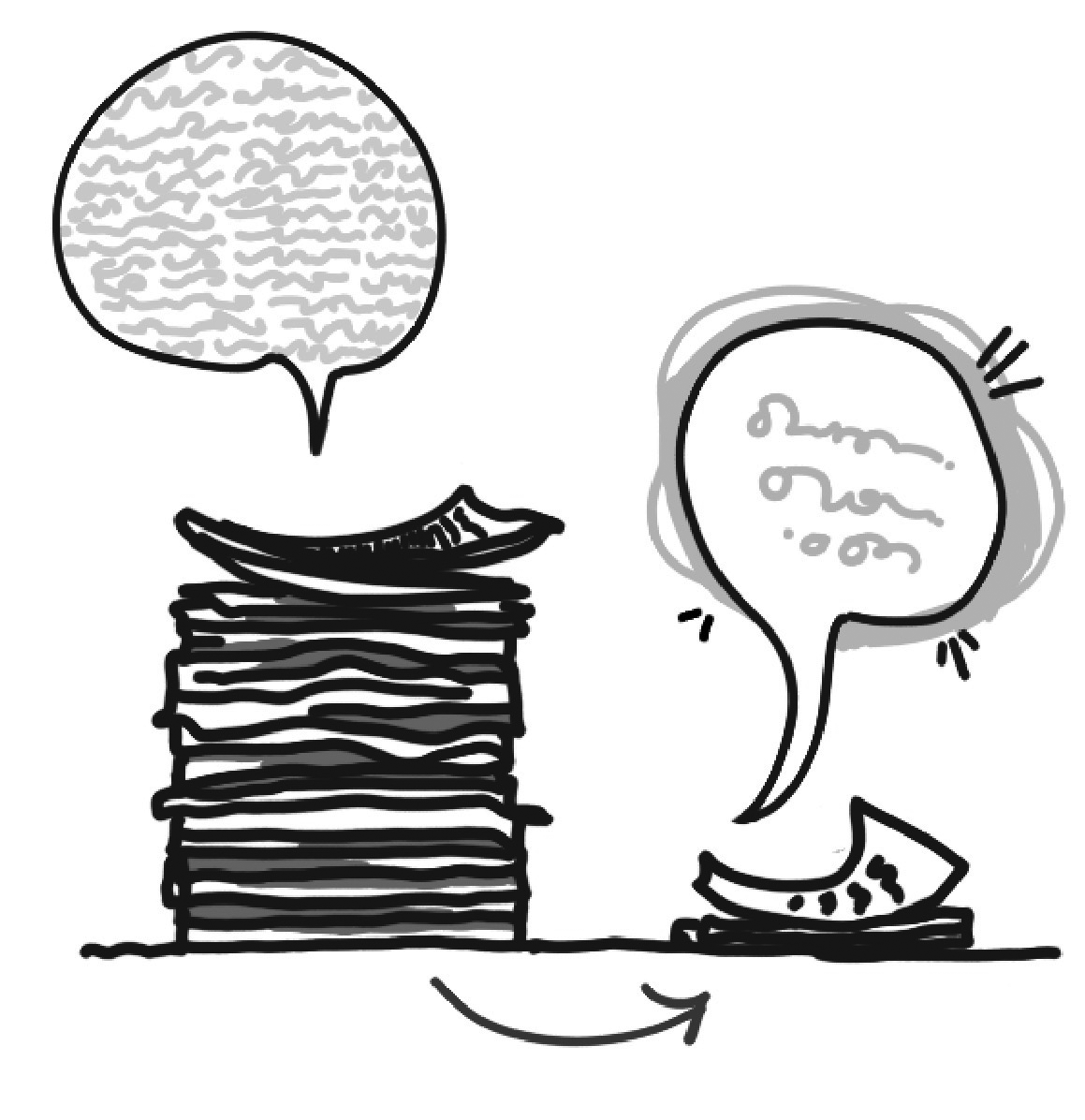
One of the odd parts of writing this column has been watching it unfold in real time alongside my own life. Reading these authors each week has tracked the rises and collapses of my senior year with an almost embarrassing precision, and for that, I thank you, my reader(s), however few you may be. The Roman poet Catullus writes at the beginning of his collection, “to you who judged my trifles something.” At the end, staring down the barrel of my own graduation, my own “end” in the most melodramatic sense possible, I find myself similarly grateful to those of you who judged my own trifles worth reading.
It feels appropriate, then, to end with Callimachus, a writer obsessed with literary scale, literary reputation and the question of what deserves to endure. He is, in many ways, your favorite ancient author’s favorite ancient author. Catullus adored him. Virgil borrows from him. Ovid references him. Propertius practically built a career around trying to become the Roman Callimachus. Writing in third century BCE Alexandria, surrounded by the largest library in the ancient world, he helped create a new kind of poetry built on precision, obscurity and a level of intellectual arrogance that I cannot help but respect. He famously declared that “a big book is a big evil,” which, given both this column and my honors thesis, feels like a personal attack.
Part of the difficulty, and charm, of recommending Callimachus is that his work is hard to discuss because so much of it no longer exists in anything resembling a complete form. We possess fragments, quotations, damaged papyri and scattered references preserved by later writers, who often admired him more consistently than they preserved him. His most famous work, the Aetia, survives largely in pieces. We reconstruct it through scholarly guesswork, scraps of papyrus and the occasional miracle. Reading Callimachus can feel like trying to admire a shattered vase while someone assures you it was once breathtaking. Annoyingly, they are usually correct.
So, where should you begin? I would start with his hymns, which survive intact and are wonderfully strange, particularly the Hymn to Demeter, where a man’s shoulders are torn off for overeating at a goddess’s banquet, or the Hymn to Apollo, where Callimachus quietly inserts his own literary manifesto about preferring clean streams to muddy rivers. His epigrams are also sharp, funny and occasionally devastating. If you are feeling ambitious, venture into the fragments of the Aetia and accept that confusion is part of the experience.
What has always moved me about Callimachus is how seriously he treats small things. While epic poets built monuments to heroes and empires, Callimachus wrote about obscure rituals, forgotten cities, strange local myths and the people history had nearly misplaced. He understood that scale and significance are rarely the same thing. Minor stories survive because he decided they mattered. Forgotten people are remembered because he wrote them down.
That feels especially urgent as I prepare to leave Bowdoin. Graduation presents itself as a triumphal ending, all robes, photographs and speeches about bright futures, but beneath that performance lies the quieter anxiety of entering a life whose contours you cannot yet see. I do not know what awaits me after this. Perhaps meaningful work. Perhaps graduate school. Perhaps a period of confusion, rejection emails, temporary unemployment and moving back home. Callimachus, strangely enough, helps with that anxiety. He reminds me that meaningful lives are rarely built through grand gestures alone. They are often assembled through smaller devotions that seem trivial until they accumulate into something durable.
That may be the real argument of this column, if it has had one. I have spent the past year asking you to care about old books because old books have made my own life feel richer, stranger and far more worth living. If they have done even a fraction of that for any of you, this strange little exercise has been worth it. As this column ends and college ends beside it, that feels like a good enough reason to keep reading.
Comments
Before submitting a comment, please review our comment policy. Some key points from the policy: