
Bottoms up: Alcohol safety tips for Ivies weekend
April 17, 2026
 This
piece represents the opinion of the author
.
This
piece represents the opinion of the author
.
 Eva Ahn
All of the following information is taken from a training given to the peer educators by Dr. Jason Kilmer of the Department of Psychiatry and Behavioral Sciences at the University of Washington.
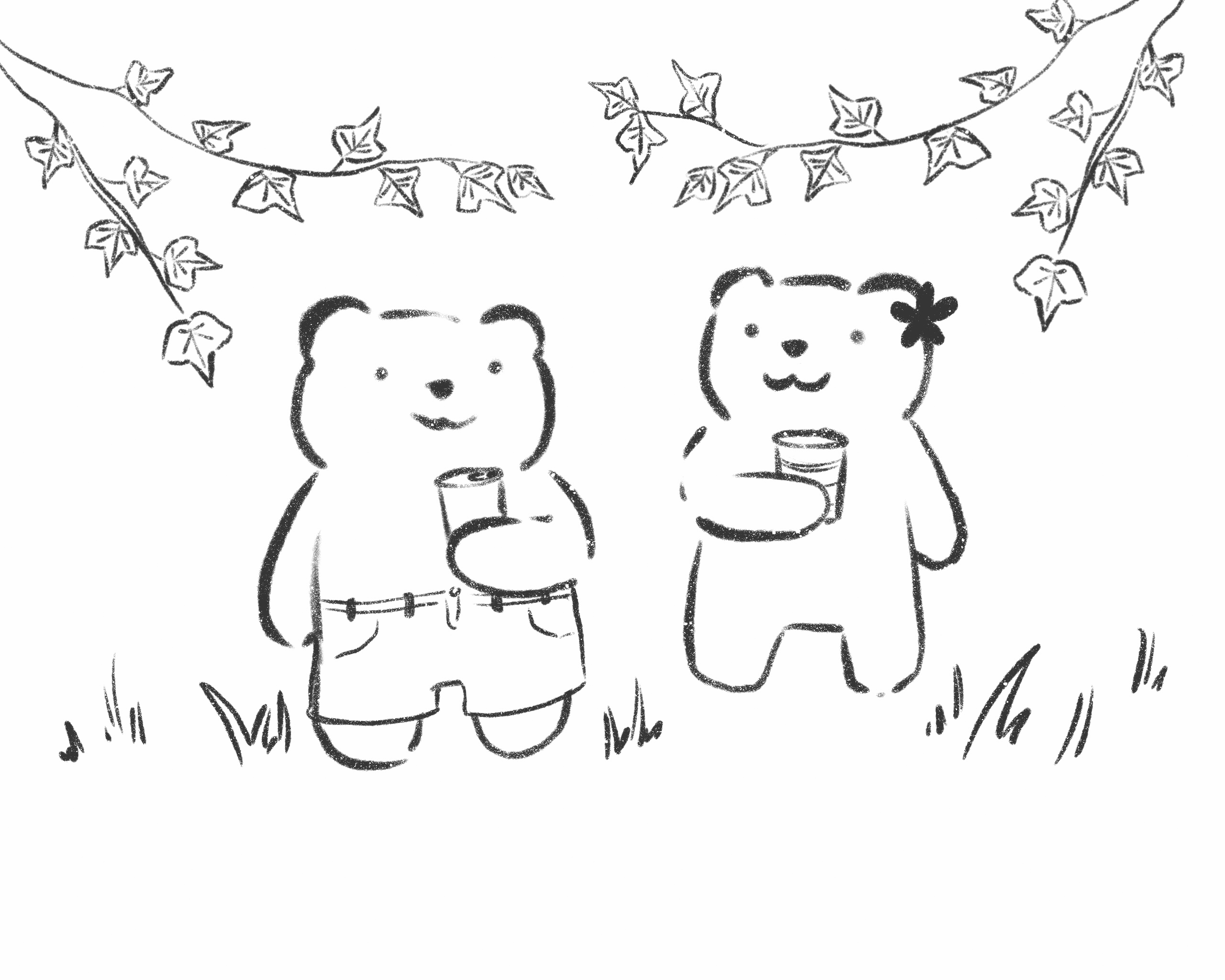
As Ivies approaches, many students are counting down until their days are filled with darties, music and socializing with friends. For some, that means making rounds at the many food trucks. For others, it means warm weather and playing die.
Ivies is a magical weekend and one of the most anticipated events of the year. The usually mellow campus atmosphere transforms into a sea of red Solo cups, crowded quads, beer pong tables and late-night parties. While this portrayal of indulgence does not reflect everyone’s experience, the reality is that Ivies can be both enjoyable and risky. As a peer educator, my goal is not to discourage celebration but to encourage informed and intentional choices. If you choose to drink, doing so safely protects not only your own well-being, but also the safety of those around you.
Here are a few important alcohol safety tips to keep in mind:
1. Your tolerance may not travel with you.
Tolerance is more complex than simply how often you drink. Research suggests that environmental cues can influence how intoxicated you feel. In familiar settings, your brain may anticipate alcohol and adjust its response, slightly muting its effects. In a new or unfamiliar environment, those cues are absent. As a result, the same amount you typically drink might feel significantly stronger on Harpswell Apartments Quad than it does in your dorm. When you are in a new setting, it is wise to start slower than you normally would.
2. Know what counts as a “standard drink.”
- A standard drink in the United States contains about 0.6 fluid ounces of pure alcohol. That equals:
- 12 to16 fluid ounces of beer
- Five ounces of wine
- One and a half ounces of distilled spirits
Many popular drinks—hard seltzers, canned cocktails, mixed drinks at bars—often contain more than one standard drink. Larger pours and higher alcohol percentages can add up quickly. Knowing this helps you better track your intake and avoid unintentionally overconsuming.
3. Only time sobers you up.
Blood alcohol content (BAC) measures the percentage of alcohol in your bloodstream.
While you may hear that cold showers, coffee or energy drinks can “sober you up,” none of these lowers your BAC. Only time allows your liver to metabolize alcohol. On average, BAC decreases by about 0.015 per hour. That means if someone reaches a BAC of 0.11, it can take several hours to return to 0.00. This is especially important when it comes to driving. The legal limit for drivers aged 21 and older is 0.08, and for those under 21, any measurable alcohol can carry legal consequences. If you are drinking, plan ahead. To slow alcohol absorption, eat before and while drinking and alternate alcoholic beverages with water. Hydration will not lower your BAC, but it can slow consumption and reduce dehydration-related symptoms.
4. Look out for each other.
Alcohol lowers inhibitions and impairs judgment. In the digital age, that includes what gets photographed or posted. Sharing images or videos of someone intoxicated without their consent can have lasting personal and professional consequences.
More importantly, know the signs of alcohol poisoning: confusion, vomiting, seizures, slow or irregular breathing, pale or bluish skin or unconsciousness. If someone is intoxicated but conscious, placing them in the recovery position (on their side) can help prevent choking. Call 911 and Bowdoin Security immediately if someone is unresponsive or difficult to wake. The College prioritizes students’ wellbeing over pursuing disciplinary action, so when in doubt, ask for help. It is much better to be safe than sorry.
Ivies should be memorable for the right reasons. Drink water. Eat real meals. Make a plan. Check in with your friends. The best stories are the ones you actually remember, and the best Ivies are the ones where everyone is safe.
Grace Tétreault is a member of the Class of 2028. This op-ed was written on behalf of the Office of Gender Violence Prevention and Health Education.
Comments
Before submitting a comment, please review our comment policy. Some key points from the policy: