
Debate is a cult—and I’m rejoining
April 17, 2026
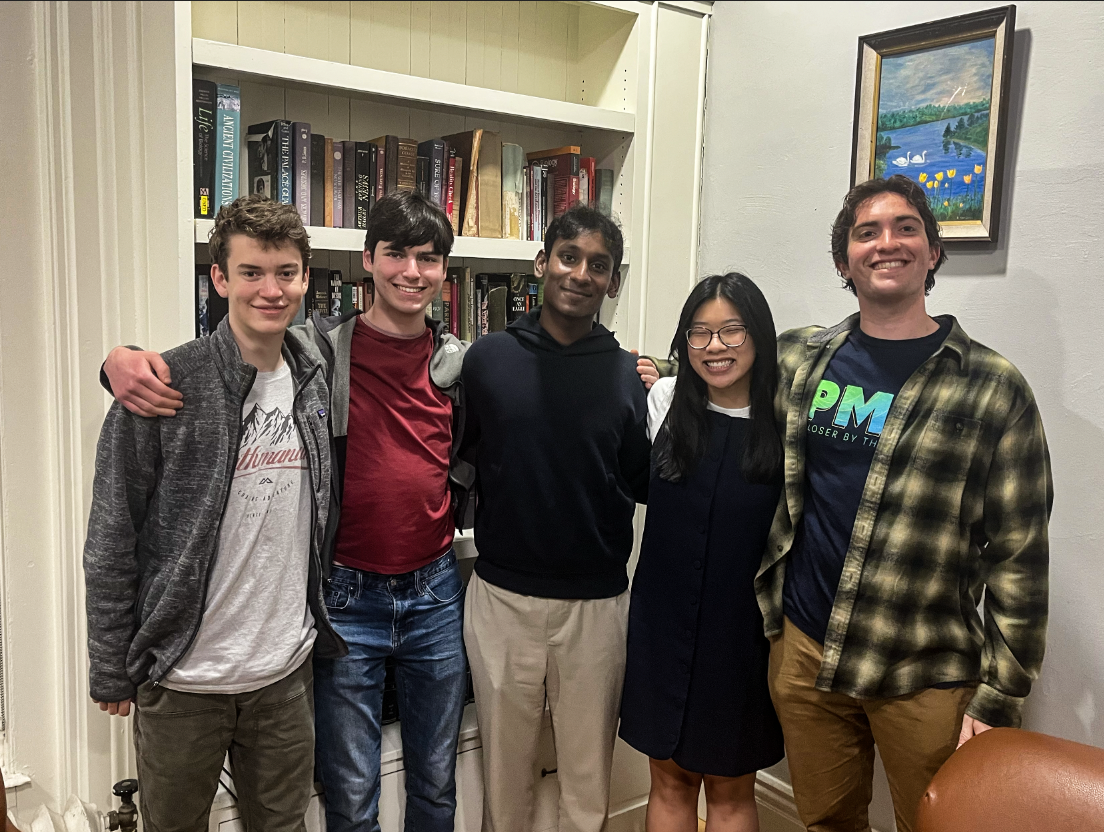 Courtesy of Elizabeth Lee
Like a not insignificant number of people, I debated in middle and high school. And like a slightly smaller, but still notable, group, I figured I might as well keep doing so in college—if only because debate had been such a defining part of my adolescent life (debate is a cult, if you know you know). So when I showed up for the introductory meeting during the first week of my first year, I expected some continuity. Debate had given me a sense of community; it taught me how to advocate for myself and for others. I owe a large part of my personal growth to it.
In high school, I lived and breathed parliamentary debate—the same format Bowdoin competes in—and there was something comforting about arriving on campus knowing I could step right back into that identity. And at first, I did. I genuinely loved practices. I even went to a tournament in Boston, where we had a blast—sleeping in the only hotel that would allow people under 21 to check in, exploring the city and spending a little too much of Bowdoin’s money on food.
But as the semester went on, I started missing practices. Not because debate had lost its appeal—the meetings were engaging, the people welcoming—but for reasons I couldn’t quite explain, I found myself drifting away. Slowly, then all at once, I stopped going.
The thing is, we don’t need to be the same people we were in high school. Still, when I walked back into the basement of Hubbard one Wednesday at 4:30 p.m., for the first time in a long while, I was reminded that debate had never really closed its doors to me. It had simply been waiting.
What makes the club endure is its openness. Debate, by nature, depends on people bringing their ideas into the room, and that reliance creates a space that is inherently welcoming.
“Debate at Bowdoin is really special because it’s an incredibly inviting space. I feel like we have a real diversity of thought, and people tend to be really helpful and excited to teach you what they know. It’s a great space for beginners, especially because many of our members came to Bowdoin with no debate experience,” former captain Sofia Fogg ’26 said.
Now, with new captains Ava Bridges ’28 and Lucas Ribadeneira ’27, that ethos continues.
At its core, American parliamentary debate is simple: two partners, a resolution and a limited amount of time to build and defend a case. But within that structure, you can argue almost anything—from whimsical hypotheticals to complex political questions. It’s a format that rewards both creativity and clarity, making space for seasoned debaters and newcomers alike.
When I returned, people welcomed me back without hesitation. It was striking to see how much the club had grown since my first year—and how easily I could still find a place within it. There’s something quietly powerful about rediscovering something you once loved—not because you need it in the same way, but because it’s still there, unchanged in its willingness to take you back.
I encourage anyone to at least try debating. Whether you’re like me and you’ve been debating your whole life or if it’s something you’ve always been too intimidated to try, there is nothing more empowering than taking time to really focus on the way you reason and the way you speak. And there is no better space to do that than debate.
So I think I just might keep going.
Comments
Before submitting a comment, please review our comment policy. Some key points from the policy: