
The aesthetics of evil
September 18, 2026
 This
piece represents the opinion of the author
.
This
piece represents the opinion of the author
.
 Mia Lasic-Ellis
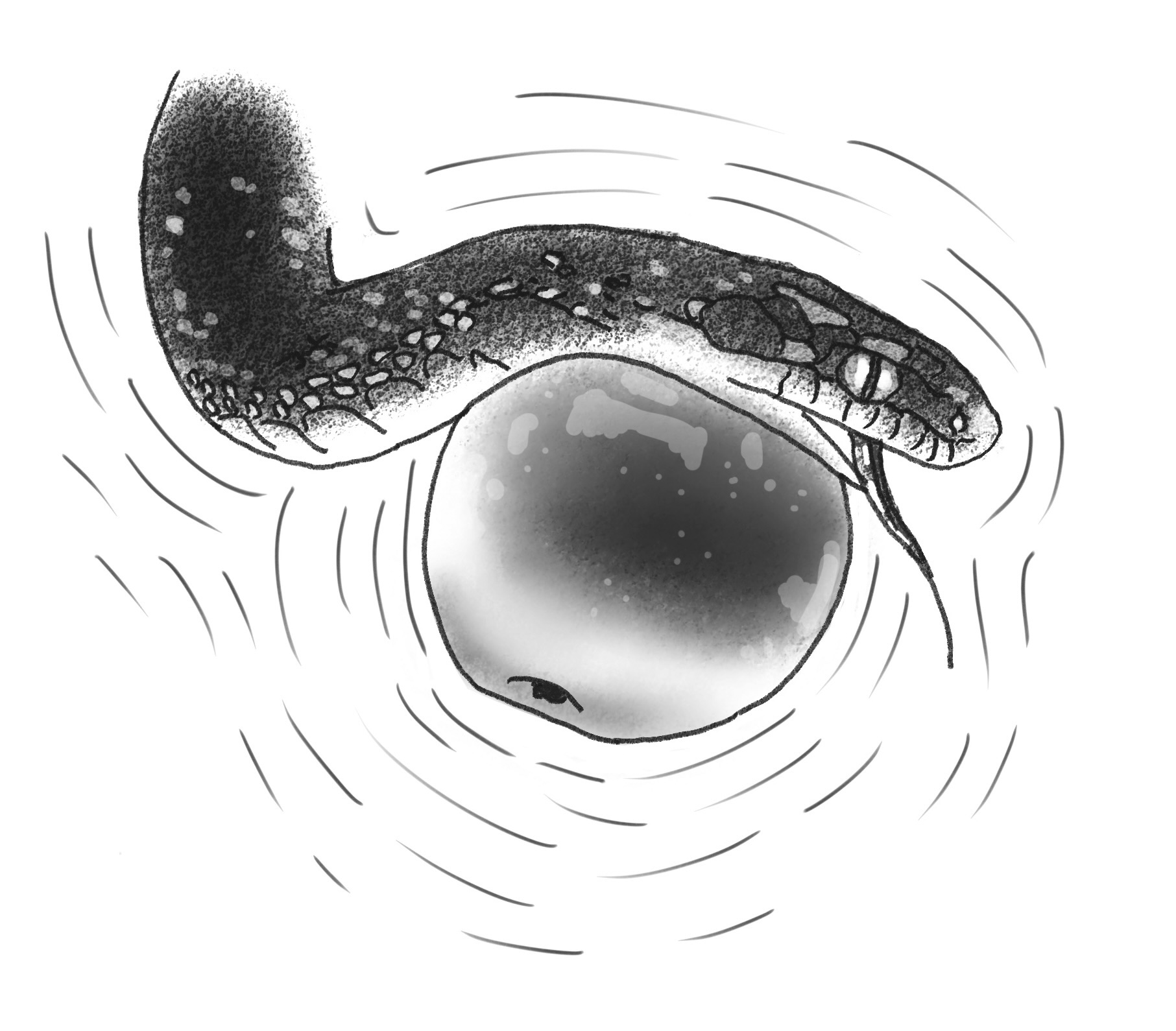
The aesthetics of evil. Doesn’t that sound seductive? As children, before we become aware of ourselves and the world around us, norms and laws are subliminally impressed on us to “keep us safe.” While wearing seatbelts, eating greens and abstaining from substances is the right thing to do, it isn’t always the cool thing to do. Why is that? What makes us crave the forbidden? I definitely can’t answer that question, but what I’ll try to do is show ways I’ve seen the beautiful nature of evil obfuscate its damaging presence.
The first tenet that I’d like to recognize of evil’s aestheticization is its community building. Think of Morgan Wallen. A few years ago, I was blissfully unaware of the country singer’s existence. Then, like everyone else, I saw the headlines of “country music star screams the n-word.” Initially, my first reaction was, “Who cares if Beyoncé says the n-word?” After learning, however, that instead of our Creole Capitalist, this random white person was screaming slurs and throwing chairs at strangers. None of this behavior was surprising to me. What was surprising was the overwhelming amount of support that followed Wallen after his transgressions. It seems like he exploded in popularity because of his bad behavior. I felt a growing sentiment of: “we’re all human,” “everybody makes mistakes” and “get over it.” I’m not here to argue with any of those points.
However, through his accession to stardom since these “cancellable” offences, I think it’s worth noting how many of us can overlook the sins of others because we can relate to them. Something I find interesting about the ties that bind people together is how once they endorse the villain (in this case, Wallen), there are very few things he could say or do that would lose him supporters. The U.S. President once said, “I could stand in the middle of Fifth Avenue and shoot somebody, and I wouldn’t lose any voters, OK?” When I first heard this, I thought it would hopefully be a wake-up call to the president’s supporters that they’re hopelessly riding his D, and he’s making fun of them for it. But their choice has already been made, the spell has been set and they seem to have abdicated their autonomy in favor of the community.
It’s strange to think that we are among the first generations to learn about the atrocities leading up to and propelling our society. A hundred years ago, how many schoolchildren learned about Indigenous genocide and the crusades before the age of 18? Thanks to our current administration, I’m shuddering to think of how many kids today won’t learn about these events after the age of 18. Nevertheless, I wish we (as a society) would appreciate how much aesthetics played a role in the downplaying of these events today. Thanks to the artworks of the time, people associate American colonial conquest with manifest destiny, and the crusades as a reclamation of the homeland. I myself am guilty of only looking at the glamor, as an owner of multiple Chinese communist propaganda posters. For some reason, the vision of Mao’s utopia is seductive to me. We all know that his vision didn’t come to fruition and millions suffered because of it. However, there’s still a part of me that’s drawn to the fantastical imagery that seduced the masses many years ago.
Neiman Mocombe is a member of the Class of 2026.
Comments
Before submitting a comment, please review our comment policy. Some key points from the policy: