
Students explore beyond the traditional internship
September 4, 2026
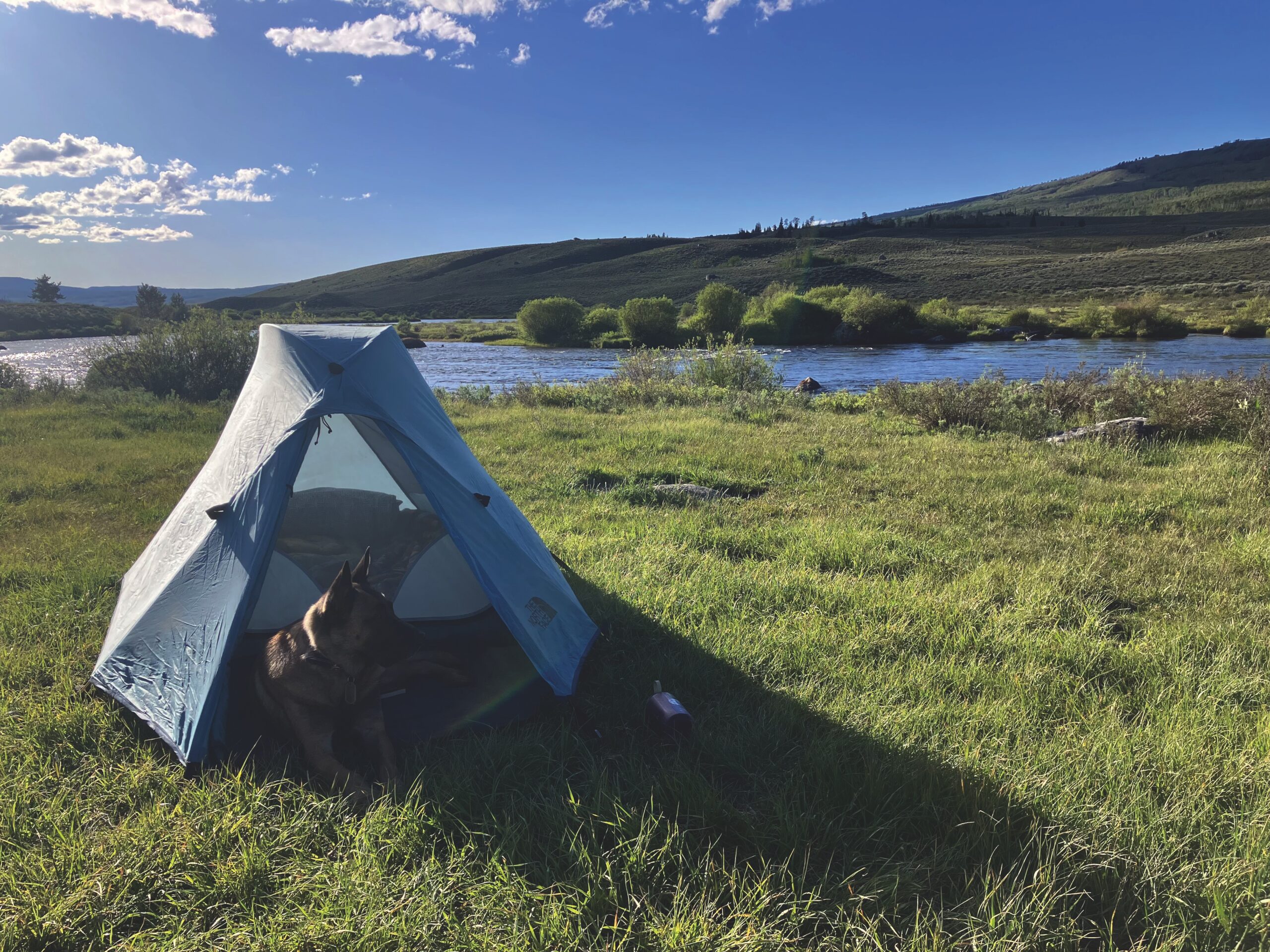 Courtesy of Juliet McDermott
As the academic year progresses, the often dreaded question “What are you going this summer?” becomes difficult to avoid. But what do Bowdoin students actually do with their time off?
Executive Director of Career Exploration and Development Kristin Brennan noted that most data the office has on student internships are self-reported and, therefore, not exact. Still, drawing on what she has seen from surveys given to seniors this fall, she found high involvement in internship work.
“The vast majority of people, while they’re here, do something that we would characterize as an internship,” Brennan said. “So just about everybody, by the time they graduate, has done something pre-professional to get experience to try on a career, but we don’t have full visibility into every summer.”
While many Bowdoin students worry that their experience may not “count,” Brennan cautioned against only focusing on traditional pathways.
“We define internships pretty broadly,” Brennan said. “Ideally, sometimes for yourself or for a boss, [you] have to deliver at a professional level, and you get a chance to investigate whether this kind of work might be interesting for you. That’s an internship. So when you classify that way, then a lot of things would count.”
When asked if she has noticed any changes in how Bowdoin students approach internships, Brennan mentioned that more students are stressed about securing them earlier on in their college careers.
“I think what has changed is that it seems like students are internalizing earlier this need to have an internship that counts,” Brennan said. “When I started here eight years ago, students would wait a little longer to come into our office and say, ‘I’ve got to get an internship.’ Now we’re seeing more first-years feel this kind of pressure than we used to, and so then I think the thing to unpack is: ‘Is that helpful for them or not?’”
Concerning how students engage with alternatives to traditional internship pathways, Brennan found that some enter into their summer search with an idea in mind, while others may end up doing something else when other options don’t work out.
“If you were looking at one kind of role and didn’t get it, there’s ten other roles that use those skill sets and might build similar networks, and so we can help people identify what those might be,” Brennan said.
Tolly Kaiser ’28 took to the road to conduct unique research this summer, supported by Willi Lempert of the Anthropology Department and funded by the Craig A. McEwen Student Research Fellowship in the Social Sciences.
“I built a camper inside a Ford Econoline van and traveled around the U.S., living in this vehicle to study the life on the road and whether the mythical freedom that supposedly exists on the road (perpetuated by literature, movies and songs) is truly attainable,” Kaiser wrote in an email to the Orient.
While Kaiser found that most Bowdoin students sought out traditional internships or research positions, he felt confident and supported in his choice to explore the country in a new way.
“I felt more drawn to spend my summer doing something truly fulfilling—both academically and my own engagement. I didn’t feel much pressure to do something more traditional, though I did get a lot of questions about how my van life summer would support my Bowdoin education,” Kaiser wrote. “People generally seemed thrilled at the prospect of a non-traditional summer experience.”
Following his road trip, Kaiser wrote a narrative paper on his experience, tying together themes of culture, freedom and mobility. On top of gaining confidence in his anthropological research skills, Kaiser thoroughly enjoyed his adventure.
“I valued the academic freedom that this summer offered,” Kaiser wrote. “It may be cliche, but it truly will be a summer I won’t forget.”
Juliet McDermott ’28 was funded by the Robert and Blythe Edwards Grant for Visual Arts to embark on a national park road trip, making paintings and sketches along the way.
McDermott was inspired by a painting course in which she learned about landscape painters and their portrayals of national parks. One example that stuck with her was painter and printmaker Thomas Moran’s landscape painting of West Yellowstone, which played a role in encouraging Congress to establish Yellowstone as the United States’s first national park.
Beginning in Maine, McDermott drove to her home in Denver and picked up her dog Dino to join the rest of the trip. She then drove up to Rocky Mountain National Park, Wind River Range in Wyoming, Grand Teton National Park and to Yellowstone National Park for her final stop.
McDermott felt that Bowdoin’s high-achieving student body tends to stress about summer employment opportunities.
“I think Bowdoin is full of students who were really focused in high school on getting to the next stage and getting to the best of the next stage, and some of that pressure has now seeped into people looking for what’s next,” McDermott said. “People try really hard, which is great, but sometimes that energy can kind of transfer to a time where we shouldn’t necessarily feel so much pressure.”
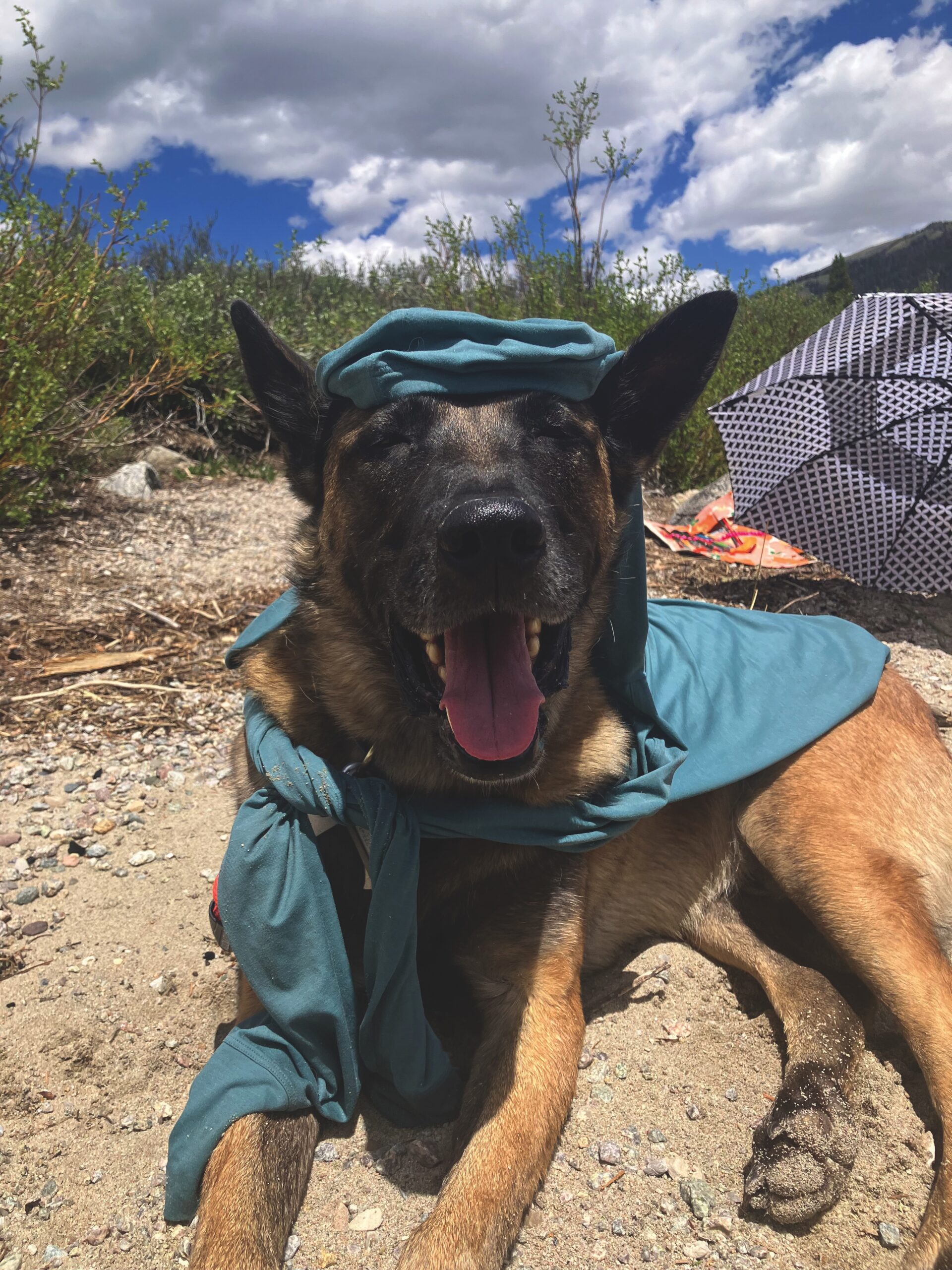 Courtesy of Juliet McDermott
While there were times when this culture made McDermott second-guess her choice, she felt lucky to get the chance to be funded to explore and improve her painting skills outdoors.
“I was able to explore a passion without necessarily worrying about how it would conflict with any future opportunities,” McDermott said.
This summer, Bella Mele ’27 was awarded a Global Citizens Fellowship to work for the non-profit Settimana di Studi Danteschi (Week of Dante Studies) in Palermo, Italy. She was tasked with fundraising to support an upcoming event for Italian students celebrating Dante’s works. Her background made her well-suited to make connections with U.S.-based Italian organizations.
“[The event has] been going on for a while and has a lot of credibility in Italy but just isn’t super well known in the states. My goal was to bridge the gap and get some Italian-American organizations who are U.S.-based involved in the program,” Mele said.
As an Italian and chemistry double major, Mele went into her summer search with the goal to further her Italian language skills through immersion. When asked if she felt any pressure to follow a more traditional internship pathway, Mele responded that her friends’ more traditional research and internship positions did cause some self-imposed pressure. However, she has no regrets about her choice to do something different.
“It felt like more of a risk to do something that I knew wouldn’t necessarily directly lead to a job opportunity afterwards,” Mele said. “But in hindsight, it was definitely one of the more rewarding summer work experiences that I’ve had. Linguistically, being able to live in a new city and speak Italian with my landlord, my friends, my boss … that was really important for me and was my connection to academically what my focus is at Bowdoin.”
Echoing the perspective of Kaiser and McDermott, Mele expressed gratitude for Bowdoin’s resources that helped her to find and get funded for her work, including the Italian Department and the McKeen Center.
“I think it certainly helps that Bowdoin has a lot of programs that support students who want to explore other summer experiences that maybe wouldn’t be categorized as a formal professional internship,” Mele said. “What was cool was telling my other friends from home about summer.… At Bowdoin we don’t realize how privileged we are to get those opportunities.”
Overall, Brennan emphasized how valuable the pursuit of alternative summer pathways can be.
“Having agency and creating something is always an important skill, maybe even more so, as jobs are shifting in ways we can’t totally predict,” Brennan said. “The ability to write your own ticket and figure out what’s important to you, and make that happen, and find resources and support for it—it’s pretty great.”
Comments
Before submitting a comment, please review our comment policy. Some key points from the policy: