
My year of poetry
May 1, 2026
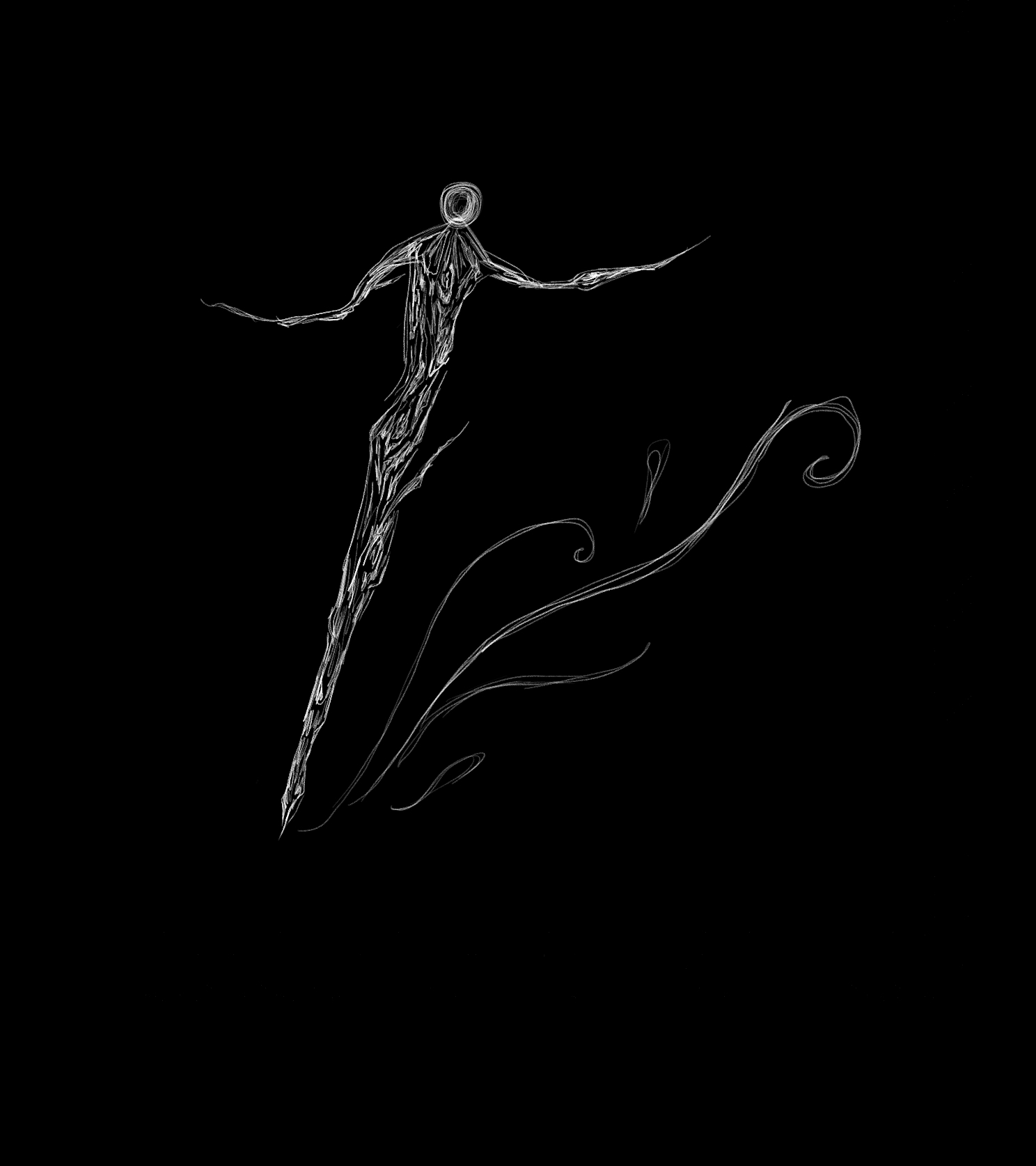 Miu Yatsuka
This year has been my year of poetry. I have scoured the internet for poetry, written and rewritten poetry, memorized and recited poetry, lived in it, muttered it to myself, printed the stuff out and taped it to my walls, eaten and overstuffed myself with its words. A walk alone, the right angle of sun, and suddenly everything tangible, any thought or thing which might hold history, becomes an unborn artwork: not quite the words of a poem but the raw feeling behind it.
I’ve caught the poetry flu and don’t intend to get better—how to tell of my craziness. I spend eight hours a night lying on my bed, eyes closed, in worlds of my creation. I fall in love clumsily, daily and without a clue how to do it. Over and over, I tell the same thing to my keyboard in different shades of metaphor. I type out “hope,” “dream,” “love,” as my lungs labor and the clock ticks and my parents grow older than I know how to deal with. I mumble and I blow my nose, but it must all be poetry. Aren’t we all, in some sense, constantly living out the shadow of a poem? If we spend every night and many of our days stumbling through that place of dreams?
I am terrified of the world I am embedded in, the scorch of it, of every person I have the pleasure to truly meet, their meek kindness, their well of a soul which goes down and down, the sweet respite of their humanity which comes out clear right in moments before endings, in the thick nighttime or on car rides home. But maybe this terror is truly of the internal lawlessness we must all secretly harbor. So we might look each other straight in the eye and not be blinded with that nameless light of a discovered eternity. I believe that this internal lawlessness is what poetry has the power to translate.
The potency I’ve found in poetry comes not from the act of writing, but the act of seeing. Steadily, I am trying to teach myself to balloon into the bottomlessness of all the world’s lost futures, every unreality. I have never felt quite as alive as during those moments spent emptying out into overwhelm. Times that felt as if every lost dream buried across acres of graveyard, once quieted, found voices once more. One must listen to hear them. That broken chorus sometimes chimes desperately in the pits of me—I might wonder if in all of us—crying out about “love” in all of its past tenses. Voices echoing down all through antiquity, ricocheting through the mirrored future, pleading with me to love while I can. All I can do to not burst is spell it out in fragments of letters.
I am not a child anymore. Poetry is what I turned to when I understood I could not trap death beneath a cup like a house fly and carry it around forever like some proof of wit and power. Poetry is a stack of questions, reaching as far into the unknown as we each dare to in our private moments of incommunicable glory. How to convince any person of how significant a life can be, even without showing itself, even just hidden within all the unsingable sorrows of love and grief? That is the question of the poet.
Now that I let myself know nothing, I am determined to find the strength to feel everything. The mission of the poet. How to cradle this in me even in moments of apathy: Above all, before I die, I will love and then write of it. This is the life of poetry I am determined to live.
Cameron McDonald is a member of the Class of 2029.
Comments
Before submitting a comment, please review our comment policy. Some key points from the policy: