
We need to care for one another
November 20, 2026
 This
piece represents the opinion of the author
.
 Dila Cakir
This weekend, I was sick. Snot was dripping out of my nose. My floor was covered in dirty tissues. So I made the bold call to not go out. With a big weekend ahead of me, I knew I needed rest, and decided to stay home.
And what a lovely Friday night I initially had. I went to get ice cream with some friends, and then my roommate and I lay in bed and watched two episodes from the first season of The White Lotus, made so much better by the sound of bass pounding through the walls from the sports mixer below us. By the time midnight came along, I was wiped.
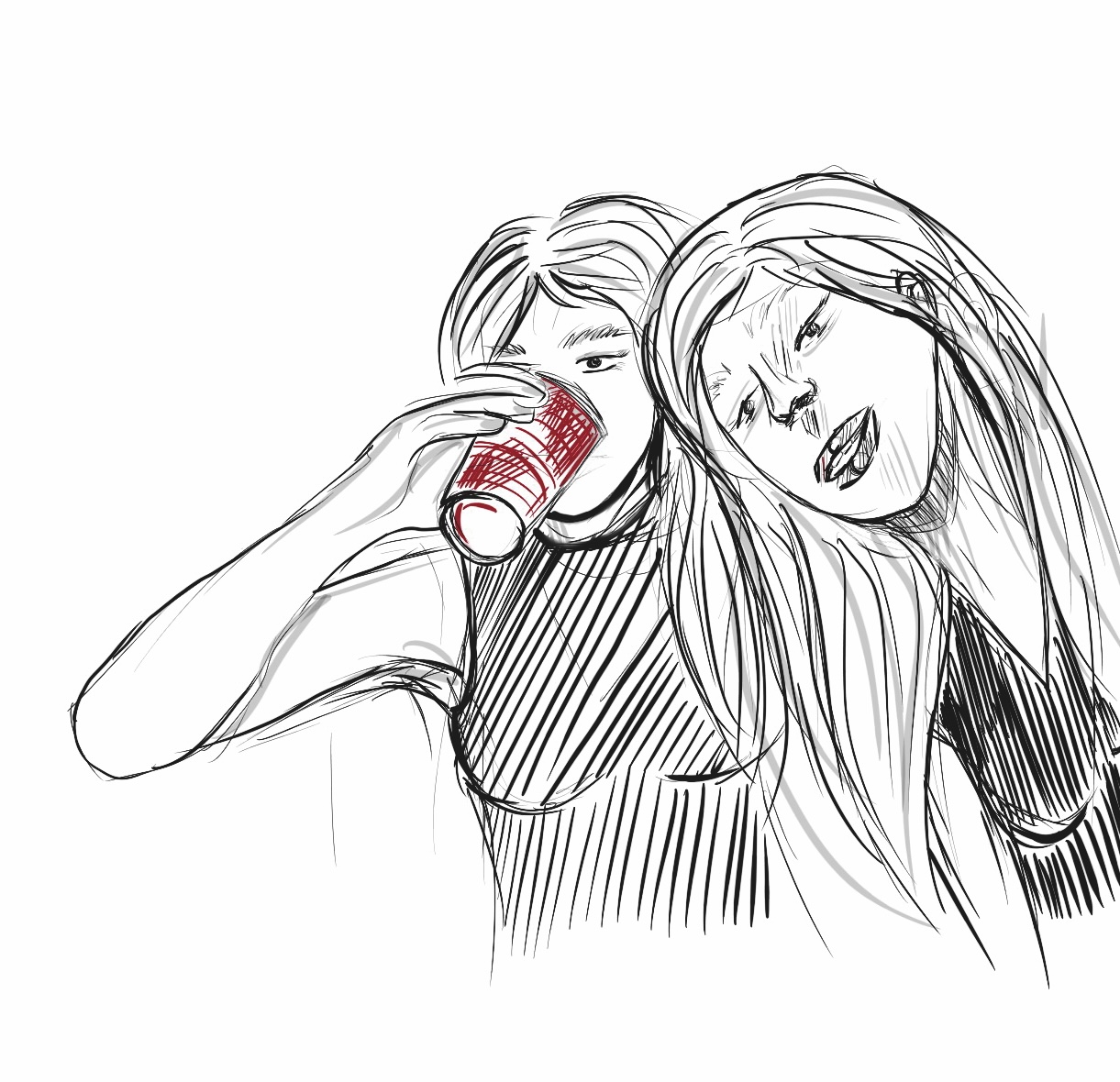
But as I headed towards the bathroom to brush my teeth, I bumped into my friend. As she was walking back into our house, she had encountered a girl who’d had too much to drink. This student claimed she was fine, but my friend was worried and the two of us went together to check on her.
I don’t want to go into specifics about this situation. This is a private matter, and the actual details are not necessary for the point that I am going to make. Rather, what I want to discuss is my shock at how unwilling her peers were to care for her.
Here’s the thing. My friend and I were not e-hosts for the party. Heck, we weren’t even guests at this party. We just happened to live in the house that this mixer was hosted at. Yet, we were caring for this student. And since no one else was around, I was ultimately happy to take on that responsibility.
But that responsibility also fell on the e-hosts of the parties and her teammates. We tried to get both of those parties involved. They did not seem to grasp the gravity of the situation, and instead, at times I felt as if they were laughing at their fellow teammate. I could tell that they were unwilling to substantially assist or take care of her, rather trying haphazardly to get her to go inside with them. It was clear to me that they recognized that my friend and I would handle the situation; I realized they were doing more harm than good. We ushered them inside. The two of us walked the girl home, and went back to our rooms feeling distinctly disturbed.
There was a basic level of human decency that I expected and did not witness. If someone’s teammate is in an unsafe position, I expect their team to take care of that person. That feels like a pretty basic and standard expectation. So I’m angry that that expectation wasn’t met. They left someone that they should care about in a harm’s way. I could go down the rabbit hole of all the awful things that could’ve happened if my friend had not seen her, but that’s too disturbing a hole to go down.
But below my anger lies sadness. And heartbreak. And disappointment. And ultimately, fear. I saw teammates callously and selfishly prioritize themselves and whatever fun they were having at a party over taking care of someone who was struggling. And considering what had just happened at Cornell, what has to happen for students to realize that there are real dangers that can happen at parties? That there are real dangers that are associated with leaving someone alone in an unsafe situation?
Bowdoin lauds itself as a place of community, where friends support and care for each other, but what I saw on Friday wasn’t that. The pessimist in me would say that that basic level of care isn’t something that can be taught. And the drinking, hook-up and partying culture that encourages this type of behavior can’t be changed quickly, even though I may want it to.
But I know we can’t give up. That type of thinking doesn’t get us anywhere. And though this list is far from extensive (I could go on and on), here are a few steps I think the college should take:
First of all, training on handling these situations needs to be a lot more intensive. The trainings that Peer Educators and the Office of Residential Life lead are full of incredibly important information, but most people don’t listen. Or respect them. So the important information that needs to be delivered isn’t retained. I propose that teams no longer do their trainings as a team. Instead, they should do them individually in order to limit distraction and to encourage meaningful participation.
These trainings also need to be happening a lot more, and with different formats. They need to encourage, maybe even force, engagement so that this information is meaningfully processed.
And becoming an e-host should not be that easy. The e-host I worked with on Friday was a first-year, and that is not an acceptable age or level of experience for an e-host to have. E-hosts should be sophomores or older, and should have intensive levels of training so they are adequately prepared to take care of those who might need help.
And finally, just don’t be a d**k. If someone is struggling, think about what consequences may incur, and step up. It’s not that hard. It doesn’t matter if you have to leave the party—there will be others. Your night may be kind of a bummer, but you could save someone from having a horrific experience that scars them for the rest of their life.
Dinah Yorkin is a member of the Class of 2029.
Comments
Before submitting a comment, please review our comment policy. Some key points from the policy: