
Dear voters: Lessons from Augusta
October 23, 2026
 This
piece represents the opinion of the author
.
 Dila Cakir
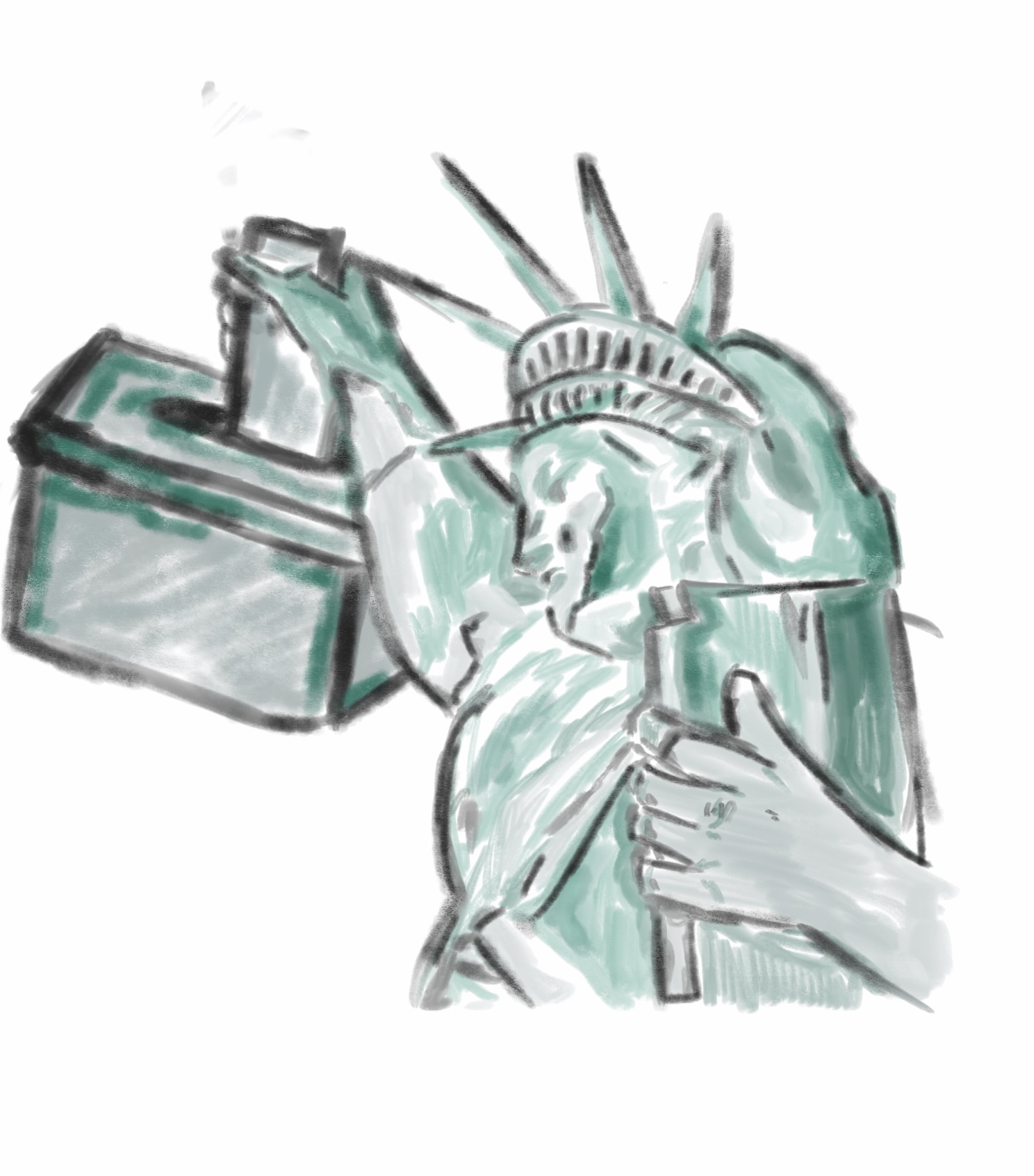
It is not a surprising recognition that the right to vote has expanded drastically since this country’s founding. From the once-radical claim that women were capable of independent thought and could vote responsibly, to the recognition that African-Americans deserved the same voting rights as white Americans, to subsequent attempts to restrict voting, history offers no shortage of evidence that the right to vote has been hard-earned. Yet there is still something deeply unsatisfying about how we show up to engage with the government that will set the tone for the country’s priorities for the next two years, and likely far beyond that.
Voter turnout, however measured, is consistently lower in midterm elections than in presidential election years. Our apathy toward participatory democracy extends beyond showing up at the polls on that November day. It reflects a more holistic attitude toward not only the processes of democracy, but also the daily exercises that foster enthusiasm for democratic participation in the first place.
I gave up my right to vote when I moved. My home country’s ballot request for citizens abroad is bureaucratically complicated and unreliable, so I cannot say I have ever participated in a national-scale election. The powerlessness of aspiring for a better political future while being unable to vote is a tension I feel every election. However tragic, it has taught me that there are many other, perhaps equally important, ways to engage in democracy.
Democracy, I’ve come to realize, is the simple yet striking recognition that the doors in Augusta, Maine are open. Legislative aides and policy staff are actively looking for constituent input to help develop bills that respond to the timely and specific needs of the communities they serve. Just last week, Brunswick’s Maine state senator Mattie Daughtry hosted office hours at an artist-run community space in Freeport. Unable to vote, I found the meaning of democracy in the opportunity to be heard and to give the government a chance to respond. The federal government is less accessible than the state government, making it all the more important to engage in the conversations available to us locally.
Beyond direct participation, democracy also means learning about the unique characteristics of a place that shape its political culture. Maine is among the minority of states with a part-time legislature, meaning most legislators balance their public service with regular jobs and lives outside politics. The coastal landscape and aquaculture of Maine distinctly shape its political culture, alongside the challenge of balancing political extremes that often vary across districts. Yet the state faces the particularities of having one of the oldest populations in the country, declining access to maternity care and an ever-growing housing crisis that continues to displace Mainers from their own state.
Yet learning about the place we call home for at least four years requires more than simply being here. Many Bowdoin students feel uneasy about registering to vote in Maine given their ties to other states, while others choose to do so for a variety of reasons. Aside from the stellar efforts of the McKeen Center for the Common Good, it is surprising how few academic opportunities the College offers to explore the state’s institutions and issues in greater depth. Since Professor Emeritus Christian Potholm’s retirement in 2022, Bowdoin has not had a government faculty member specializing in Maine politics. The only Maine public policy course offered in the past four years was open exclusively to students participating in the Bowdoin Coastal Studies Semester. That is disappointing for a college that regularly ranks the best in the state. Bowdoin should be a place where students can learn about the state they call home for four years.
Maine is not simply the place where Bowdoin happens to be located; it is a community whose future will be shaped by the people who study, work and live here. We should seek opportunities to learn about that community beyond election season, just as we should recognize political participation as something that extends beyond the ballot box. A commitment to a better political future is built not just through voting, but by smaller, more ordinary acts of participation, such as having a conversation with elected officials or engaging with local issues. When you cast your ballot this November, remember that many people whose futures depend on the outcome can only wish they had the right to vote.
Camila Eljuri is a member of the Class of 2027.
Comments
Before submitting a comment, please review our comment policy. Some key points from the policy: