
What your LinkedIn doesn’t show
October 31, 2025
 Miu Yatsuka
At my high school, homeroom was in the middle of the day. After two blocks of 85-minute classes, 20 something or other teenagers and I would come together for seven minutes in Room 302—a health classroom, with the CPR dummies on the shelves serving as a persistent reminder. Though I spent most of homeroom during my first year sitting and staring at my phone, by senior year I had migrated to the other side of the room, spending the whole time chatting with other students, some of whom eventually became my best friends.
Over the years, I began to look forward to homeroom, and it was sometimes even the highlight of my day. Even in my second semester of senior year, when senioritis was hitting all of us—me included—homeroom was part of the reason I dragged myself to school almost every day. That small moment of pure social connection was tantalizing to me.
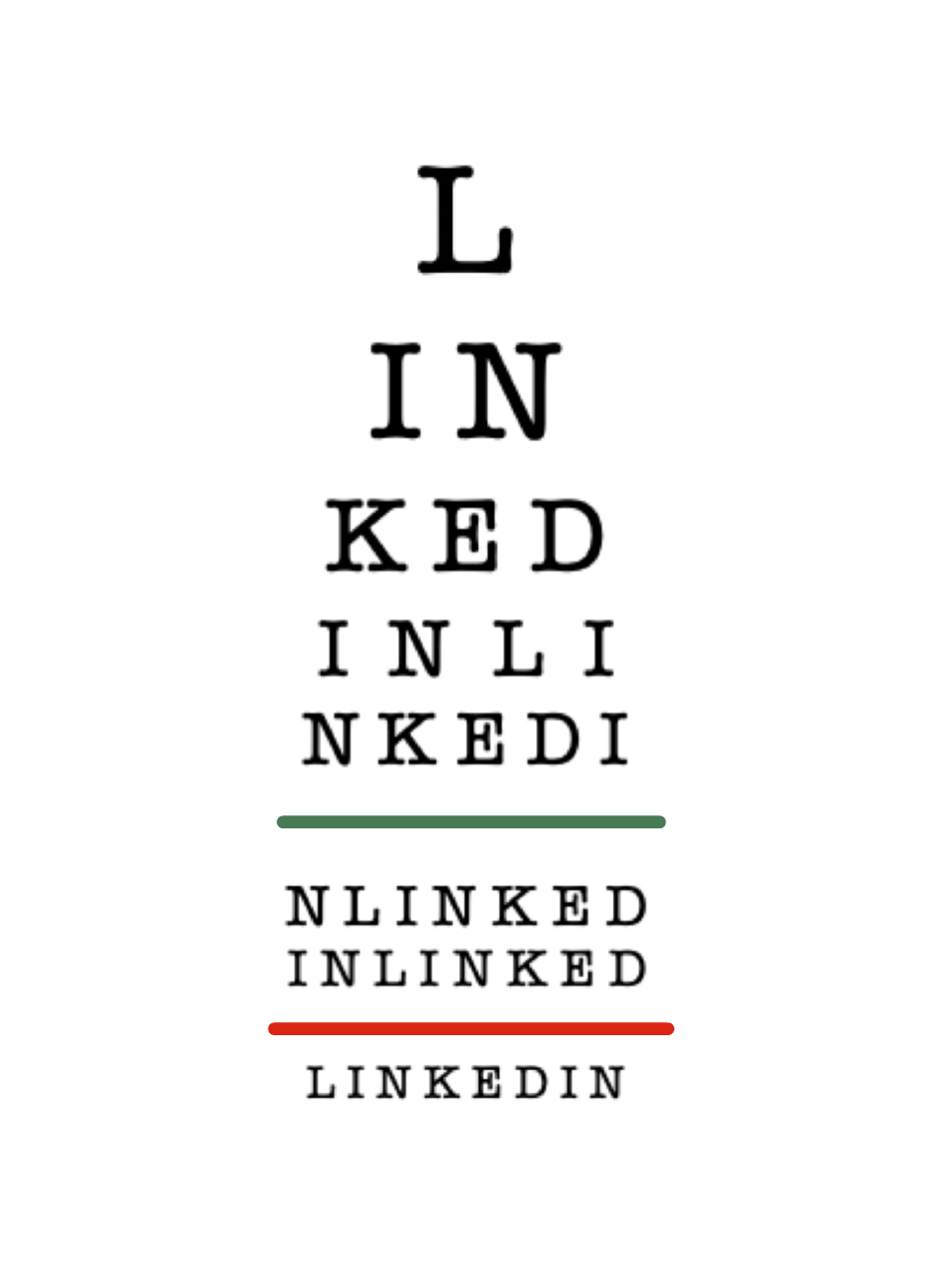
In our modern society, so much of the value of education is placed on what academics or extracurricular activities it can provide you with. Elite high schools and colleges like Bowdoin stress their academic rigor, internship placements and student clubs on campus, all of which can go straight to your LinkedIn profile. Obviously, I know that all of this is important. (I have an account on LinkedIn myself.) However, other values that educational institutions may have, such as Bowdoin’s emphasis on the common good, are also valuable and important.
However, I think some of this can overlook what I view as one of the most beneficial parts of attending school, whether it’s any high school or a college like Bowdoin, is something that your LinkedIn doesn’t show. That is simply existing in community with others.
Having been homeschooled for the majority of my childhood until high school, I know what it’s like to not have that social interaction during your education. And while I appreciated homeschooling for what it gave me, after switching to public school, I found so many small moments of simply existing in community with others that I wouldn’t trade for anything.
It might have been the kids who I took Mandarin with for three years, getting to know each other and fostering a fun environment in the classroom. It might have been my friend sitting next to me in homeroom, always being there for me whenever I needed anything. It might have been my table in senior year calculus, always willing to help each other out on tough problems. It might have even been the people I waved to in the hallway, even if those were our only real interactions.
Here at a small school like Bowdoin, these opportunities are even more boundless. There’s the people who my only interactions with have been banter in class, who nonetheless make me laugh whenever I see them. There’s the people who I wave to across the quad, even if we have only spoken once or twice. There’s my friends, with whom countless late night “study sessions” in Smith or Roux have evolved into conversations about life. These impacts we have on each other can even come unintentionally. Maybe it’s someone who always appreciates your presence in class, even if you have never spoken to each other. Maybe it’s someone who always likes your style. The possibilities for impacting others are endless.
Being at any educational institution puts you around many other people who are working towards the same goal, learning and growing, as you. In short, you’re existing in a community with other people. I believe this is one of the most beautiful things school can give you. These small gestures of kindness and togetherness toward people, whether you know them well or not, show that you care about your peers.
My LinkedIn features that I graduated from Fairfield Ludlowe High School. In a couple years, it’ll say the same thing for Bowdoin. But I think a diploma means so much more than just a section on your LinkedIn or resume. It’s a testament to all the connections made, the meals had, the conversations shared, the smiles exchanged, the waves returned, a constant experience of living and growing with others that shapes you into a better person. A diploma, in and of itself, is an icon of community service, because by simply existing in such a community you helped your peers—even if you didn’t know it.
So take that class, join that club, do that internship—but don’t forget the importance of simply existing around others. It’s part of what we’re here for.
Campbell Treschuk is a member of the Class of 2028.
Comments
Before submitting a comment, please review our comment policy. Some key points from the policy: