
To my grandmother
February 13, 2026
 Ellie Chen
I only met you twice in my life. Once, at the age of four, during a wedding in the village. I don’t remember much about that trip. It was my first time outside the United States and the tri-state area. You were in better health then, able to stand and walk around with me. We didn’t stay long, going back to Dhaka shortly after. A few days later, I left the mosquitoes and humid air, just before I started preschool.
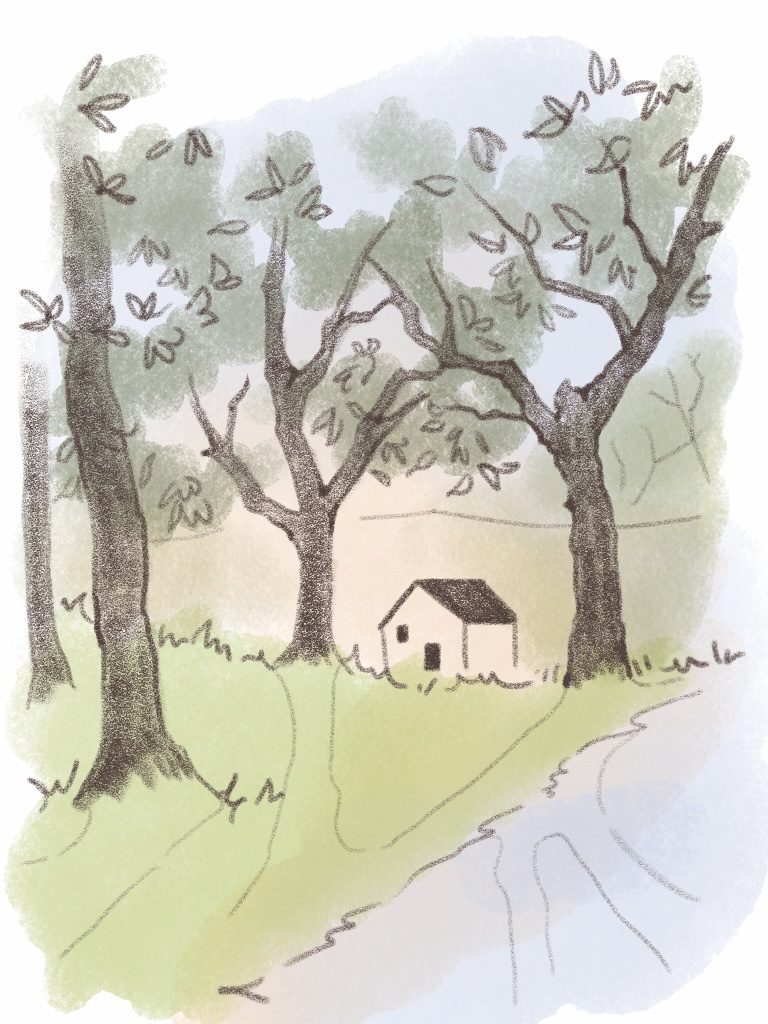
I never knew you. Born in rural Bengal, you lived to be 100 years until you passed away in your sleep. Of course, no one really knows your actual birthday—these things were never recorded back then. You were married to my grandfather, a kind and generous man, I am told, sometime in your teenage years. Most of your life was spent in the village, in the tin-roofed mud home my grandfather built. You had 13 children, a feat unheard of today. Not all of them survived, but you raised 11 children with my grandfather. Shortly after your youngest was born, part of your body became paralyzed. My grandfather stayed by your side until his death 25 years ago.
It would be 17 years later that we would see each other for the second, and final, time. By now, you had been moved to the city. No one lived in the village anymore, but why would they? Much to my mother’s annoyance, remittance dollars my father earned from driving a town car funded the construction of an apartment building to house all of his siblings. I never understood the extremes of the “joint family system” until stepping into that building last year, only to have been met with five floors of my paternal family living under one roof. Five floors of people that I had only known from phone calls or Facebook posts.
Bedridden, your physical and mental state was clearly deteriorating when I saw you. You would forget what you said, start talking about nonsense and go between fits of anger and sadness. Life had not been easy on you, and loneliness cloaked you in fear. For the past few years, you had an interesting habit of wanting to talk on video call, just to observe our faces on the screen. We never spoke much on the phone anyway.
Ours is a story of globalization. While at a restaurant with my parents recently, I asked if we should take the box of white rice home—a redundant hassle given the fact that our rice cooker is always running. After deliberating for a moment, my father said, “I came to this country just to afford this rice.” You asked why my father never visited as often, but I can assure you he loved you dearly.
The gold earrings I bought for you were from my first real paycheck. It was from a finance internship on Park Avenue, where I spent my time in meetings, on the Microsoft Office suite or goofing around with the other interns before heading home in a corporate Uber. More often than not, the drivers themselves were Bengali. Tipped off by my name and appearance but confirmed by the language I speak while calling my mother, all conversations start with inquiries about what village I’m from and how I ended up here.
I often joke with friends that, if I had been born a few decades ago, I would have ended up being a farmer. Perhaps then I would have known you better instead of being inundated with snow. The scale to which our lives are so different is always on my mind. We dream in different languages, hold separate worldviews and call different places home. When I learned about your death, I was not sure what to feel. We had never been close, but how could we have been while living thousands of miles away from each other?
That night after I arrived, I was surprised that you were able to recognize me instantly. I would sometimes get annoyed when you would forget my name or mistake me for someone else on the phone. We sat together, ate your favorite sweets and you started telling me about your life. That was the first time we had a true conversation. I wish we had the opportunity to do that one more time.
Shihab Moral is a member of the Class of 2026.
Comments
Before submitting a comment, please review our comment policy. Some key points from the policy: